
Fully Automatic Can Sealing Machine: The Core Power of Intelligent Packaging
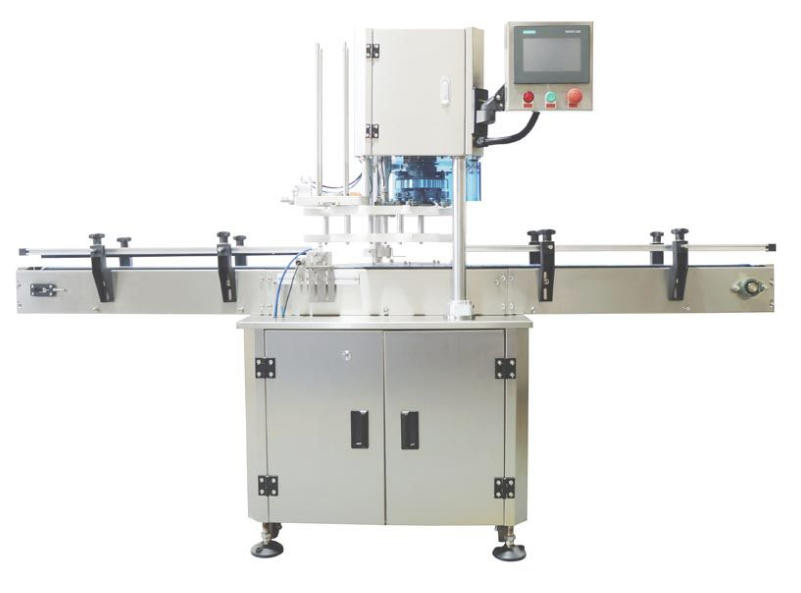
The turntable spins like a precise clock, feeding lids, sealing cans, and delivering finished products—a series of actions executed flawlessly. This is the efficiency marvel created by the fully automatic can sealing machine—it is revolutionizing the packaging process in the food, beverage, and pharmaceutical industries with its high precision, high efficiency, and complete automation.
Looking around, the long production line resembles a silent steel pulse, driven by these machines, continuously churning at an astonishing pace. This stands in stark contrast to the traditional, manual, inefficient, and inconsistent quality sealing methods. Ultimately, this efficient and orderly productivity translates into the reliable products that fill supermarket shelves.
Technological Evolution
Can sealing technology has evolved from manual operation to semi-automation, and now to fully automatic intelligent operation. Early can sealing work relied entirely on manual operation by workers, resulting in low efficiency and inconsistent quality.
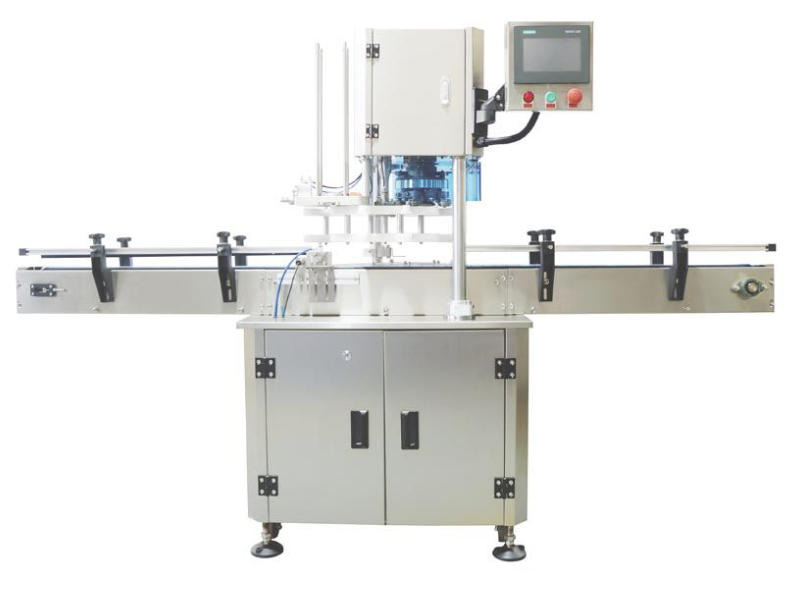
The fully automatic can sealing machine includes core components such as the frame, feeding assembly, lid feeding assembly, and sealing assembly. These components work together to automate the entire process from can feeding and lid dispensing to precise sealing. In recent years, Guangzhou-based companies such as Guangzhou Full Harvest Industries Co., Ltd. have actively introduced and developed advanced can sealing technologies, making a name for themselves in China's packaging equipment industry.
Core Technologies
Modern fully automatic can sealing machines contain multiple precision subsystems that work together to ensure the efficiency and accuracy of the sealing process.
The feeding system utilizes conveyor belt technology to ensure accurate can positioning and stable transport.
The sealing components are the core of the equipment, and their design directly affects the sealing quality. Modern can sealing machines are typically equipped with multiple sets of sealing rollers to ensure a tight seal between the lid and the can.
The intelligent control system enables the equipment to automatically adjust its operating status according to preset parameters, greatly improving production flexibility and accuracy.
Application Expansion
Can sealing technology is expanding from basic sealing functions to more complex packaging needs.
Vacuuming and nitrogen filling technologies are widely used in industries such as milk powder, health foods, and canned foods, effectively extending product shelf life. These technologies are typically completed at the same workstation, improving production efficiency.
Hygienic design is receiving increasing attention, especially in the food and pharmaceutical industries. Modern can sealing machines are mostly made of 304 stainless steel to meet stringent hygiene requirements.
With growing environmental awareness, energy-saving design has become a new direction for the development of can sealing machines. The new generation of equipment focuses on reducing energy consumption and minimizing the carbon footprint of the production process.